Featured Guide
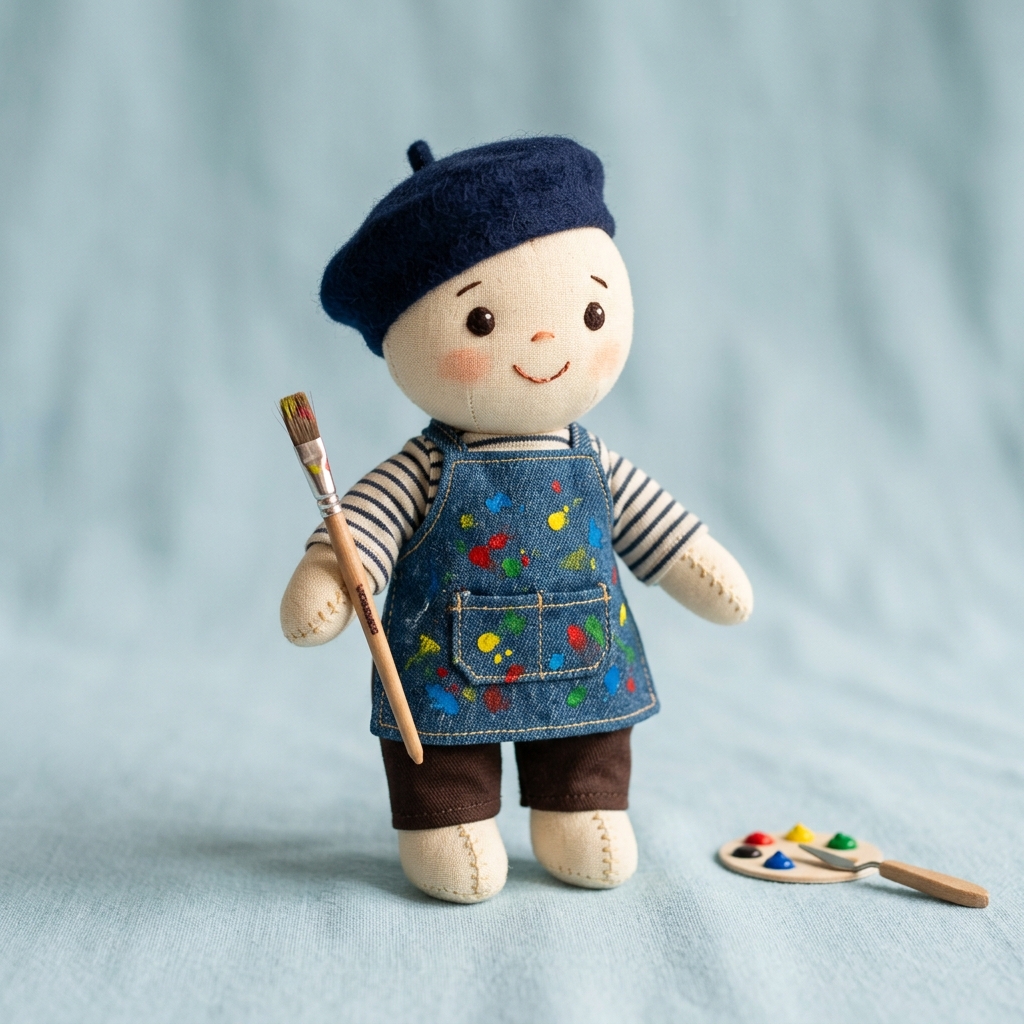
Start with one soft anchor piece like a cardigan or linen pinafore, then layer in tiny accessories that read clearly on camera: a ribbon, a little tote, a straw hat, or one standout charm clipped nearby.
The easiest spring palette for doll photography is cream, butter yellow, blush, sage, and faded coral. Stick to two dominant colors and one playful accent so the look feels collected rather than busy.
If you are building a product shot, match the doll outfit to a mini scene element nearby. A floral bag charm, moss dome, or tiny reading nook gives the styling a fuller story and helps the whole shelf feel intentional.
DIY Craft
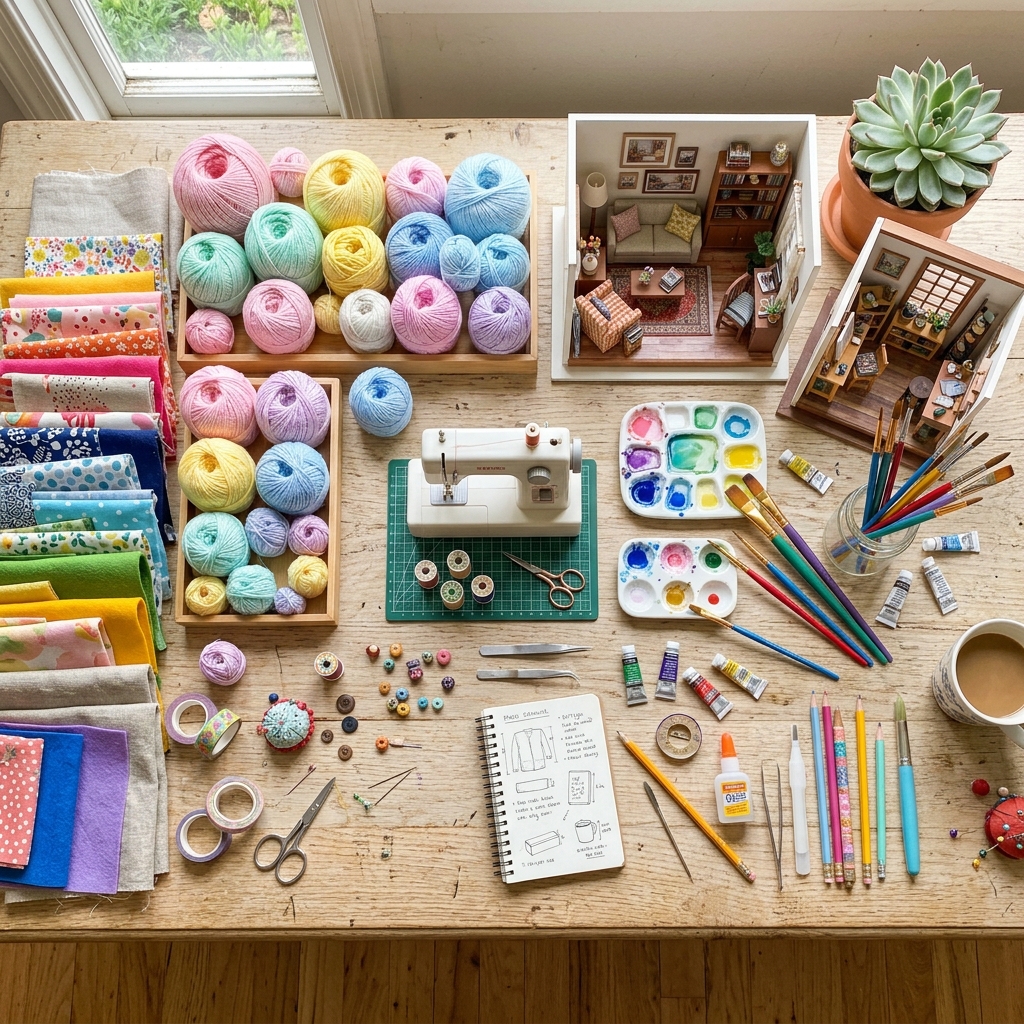
Choose one focal object first: a bench, a lamp, or a tiny shop door. Once you have a hero piece, it becomes much easier to decide where your moss, gravel, signage, and lighting should sit.
Work in layers from the back forward. Place walls and large props first, then medium objects like shelves and books, and only after that add your final “magic” details such as florals, tea cups, and scattered paper.
For beginners, a finished-looking scene usually comes from restraint. Leave one area visually quiet so the eye can rest; tiny worlds feel more believable when every corner is not equally full.
Care Guide
Brush slowly from the ends upward with a soft tool, especially for styled bangs or curled sections. Quick brushing at the root can loosen the fluff and make styling harder to recover.
If the doll body needs a refresh, spot-clean first. Use as little moisture as possible and let the plush dry fully in open air before changing clothes or storing it in a display bag.
After care, restyle with one simple accessory rather than a full outfit change. A fresh ribbon or mini bag often brings the whole doll back to life without overhandling the fabric or hair.